Pigmentation and melasma are among the most common skincare concerns faced by people in Pakistan. These conditions often appear as dark patches or uneven skin tone, particularly on the cheeks, forehead, upper lip, and chin. While many treatments can help reduce discoloration, daily sun protection remains the most important step in managing and preventing further skin darkening.
Choosing the right sunscreen can significantly improve your skincare results. However, with countless options available, selecting the most suitable product for sensitive, pigment-prone skin can be confusing. This guide explains what to look for in a sunscreen and how QHC Sunblock can support a healthy skincare routine for brighter, more even-looking skin.
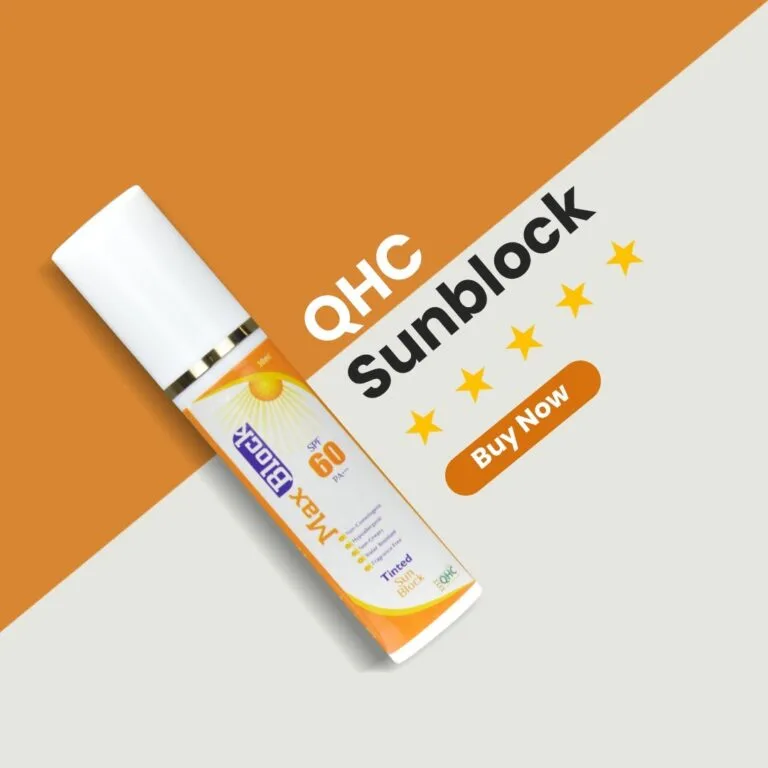
Why Sunscreen Is Essential for Pigmentation and Melasma
Regular sun exposure can worsen the appearance of melasma and hyperpigmentation.Even a few minutes of unprotected exposure to ultraviolet (UV) rays can trigger excess melanin production, making existing dark spots more noticeable.
A high-quality sunscreen helps:
- Protect skin from UVA and UVB damage
- Prevent worsening of melasma
- Reduce the appearance of uneven skin tone over time
- Support skin repair and recovery
- Maintain results from skincare treatments
- Minimize premature aging and sun-induced wrinkles
For individuals dealing with pigmentation issues, sunscreen is not optional—it is a daily necessity.
What Causes Pigmentation and Melasma?
Before selecting a sunscreen, it helps to understand the factors that contribute to skin discoloration.
Common causes include:
- Prolonged sun exposure
- Hormonal fluctuations
- Pregnancy-related melasma
- Genetics
- Inflammation from acne
- Certain medications
- Heat and environmental stressors
Since sunlight is one of the primary triggers, protecting the skin barrier should be a top priority.
Key Features to Look for in a Sunscreen
Broad-Spectrum Protection
Always choose a broad-spectrum sunscreen that protects against both UVA and UVB rays.
- UVA rays penetrate deeper into the skin and contribute to pigmentation and aging.
- One of the main effects of UVB exposure is sunburn, along with skin damage.
Comprehensive protection helps prevent further darkening of existing spots.
SPF 50 or Higher
People with melasma and hyperpigmentation typically benefit from SPF 50 or higher.
Higher SPF levels provide increased defense against harmful UV radiation and help maintain a more even complexion.
PA Rating for UVA Protection
The PA classification is used to show UVA protection strength.
Look for:
- PA+++
- PA++++
These ratings offer stronger defense against pigmentation-causing sunlight exposure.
Lightweight and Non-Greasy Formula
Pakistan’s warm climate can make heavy sunscreens uncomfortable.
A lightweight formula:
- Feels comfortable throughout the day
- Reduces excess shine
- Encourages consistent daily use
- Works well under makeup
QHC recommends choosing products that provide effective protection without leaving a heavy residue.
Skin-Friendly Ingredients
People with pigmentation often use active skincare ingredients such as vitamin C, niacinamide, retinol, or exfoliating acids.
Choose sunscreens that are:
- Non-comedogenic
- Fragrance-conscious
- Suitable for sensitive skin
- Hydrating and nourishing
These characteristics help support skin health while reducing irritation.
Mineral vs. Chemical Sunscreens
Mineral Sunscreens
Mineral sunscreens contain ingredients like zinc oxide and titanium dioxide.
Benefits include:
- Immediate protection after application
- Gentle on sensitive skin
- Less likely to cause irritation
Chemical Sunscreens
They work by converting absorbed UV radiation into harmless heat energy.
Benefits include:
- Lightweight texture
- Easy application
- Minimal white cast
Both options can be effective for pigmentation concerns when used correctly. The ideal choice depends on your skin type and personal preference.
The Role of Hydration in Pigmentation Care
Hydrated skin functions more efficiently and supports natural skin repair processes.
Choose sun protection products that are formulated with hydrating ingredients, for example:
- Hyaluronic acid
- Glycerin
- Ceramides
- Panthenol
Hydration helps maintain a healthy skin barrier and promotes smoother, healthier-looking skin.
QHC encourages combining sun protection with a nourishing skincare routine to maximize results.
How to Apply Sunscreen Correctly
Even the most advanced sunscreen will not work effectively if applied incorrectly.
Follow the Two-Finger Rule
Apply enough product to cover two full fingers for the face and neck.
This amount generally provides the protection stated on the label.
Reapply Throughout the Day
Reapplication is essential, especially when:
- Spending time outdoors
- Sweating
- Washing your face
- Exercising
Experts recommend reapplying every two hours during prolonged sun exposure.
Don’t Forget Commonly Missed Areas
Protect:
- Ears
- Neck
- Hairline
- Eyelids
- Hands
These areas are frequently exposed to sunlight and can develop uneven pigmentation.
Building a Complete Skincare Routine for Melasma
Sunscreen works best when combined with a consistent skincare routine.
Morning Routine
- Gentle cleanser
- Antioxidant serum
- Moisturizer
- Sunscreen
Evening Routine
- Cleanser
- Targeted pigmentation treatment
- Hydrating serum
- Nourishing moisturizer
This approach supports skin repair, hydration, and long-term brightness.
Choosing the Best Sunblock in Pakistan
When evaluating sun protection products, focus on performance rather than marketing claims.
Look for:
- Broad-spectrum coverage
- SPF 50+
- Strong UVA protection
- Lightweight wear
- Hydrating ingredients
- Compatibility with your skin type
QHC emphasizes selecting reliable skincare solutions that support daily protection, healthy skin function, and long-term confidence.
Additional Tips to Prevent Pigmentation
Besides sunscreen, these habits can help reduce pigment-related concerns:
- Wear wide-brimmed hats outdoors
- Use sunglasses with UV protection
- Avoid excessive midday sun exposure
- Maintain a consistent skincare routine
- Stay hydrated throughout the day
- Incorporate antioxidant-rich skincare products
Small daily habits can make a noticeable difference over time.
Final Words
Managing pigmentation and melasma requires patience, consistency, and effective sun protection. A well-formulated sunscreen helps shield the skin from harmful UV rays, supports skin repair, and prevents existing discoloration from becoming more noticeable.
When choosing a sunscreen, prioritize broad-spectrum protection, high SPF, strong UVA defense, hydration, and comfort for everyday wear. Combined with a balanced skincare routine and healthy sun habits, the right product can help maintain a brighter, smoother, and more even-looking complexion.
QHC remains committed to helping individuals make informed skincare choices that promote healthy, nourished, and radiant skin throughout the year.
Frequently Asked Questions
1. Can sunscreen reduce existing pigmentation?
Sunscreen does not directly remove pigmentation, but it prevents dark spots from worsening and supports the effectiveness of other skincare treatments.
2. What SPF is recommended for melasma?
Dermatologists generally recommend SPF 50 or higher for individuals dealing with melasma and hyperpigmentation.
3. Should sunscreen be used indoors?
Yes. UVA rays can penetrate windows, making daily protection important even when spending most of the day indoors.
4. How often should sunscreen be reapplied?
For optimal protection, reapply every two hours during outdoor exposure or after sweating and washing your face.
5. Can people with oily skin use sunscreen daily?
Absolutely. Lightweight, non-comedogenic formulas are available that provide sun protection without making the skin feel greasy.